
| Applications | |
The effect of smart contracts (blockchain technology) on Jordan’s land registry and survey department for sustainable development
 |
|
Abstract
This study explores the implementation of blockchain technology, specifically smart contracts, within the Land Registry and Survey Department to enhance sustainable development in Jordan. Utilizing a quantitative, cross-sectional survey design, the research targeted 12,450 employees of the Jordanian Department of Lands and Survey, with a stratified random sample of 448 respondents. The data, gathered through online surveys and analyzed via Partial Least Squares Structural Equation Modeling (PLS-SEM), reveals significant positive relationships between blockchain implementation facets—such as Security and Fraud Prevention, Efficiency and Automation, Regulatory Compliance, Transparency and Trust, and Accessibility and User Experience—and sustainable development outcomes. Despite these promising results, the study acknowledges critical challenges such as the need for technical expertise, regulatory frameworks, and initial investment hurdles. Addressing these challenges is crucial for balanced implementation and sustained engagement with the technology. The model accounts for 77.6% of the variance in sustainable development, highlighting blockchain’s potential to simultaneously tackle multiple land administration challenges. This research provides empirical evidence of blockchain’s impact on sustainable development, offering a comprehensive framework for its application in land registries, particularly in developing nations. The findings hold significant implications for policymakers, land registry administrators, and technology implementers, underscoring the importance of integrating technological innovation within existing regulatory and institutional contexts to achieve sustainable economic, environmental, and social growth.
Keywords Blockchain technology· Jordanian department of lands and survey· PLS-SEM· Sustainable Development
1 Introduction
Land registration and management systems fundamentally underpin property rights and economic development globally, with developing countries facing particularly complex challenges. Jordan’s land registration system epitomizes these systemic issues, characterized by persistent inaccuracies, fraud, and economic inefficiencies that substantially impede sustainable development efforts [6, 72, 94, 95]. The economic implications of ineffective land registration are profound. A 2018 World Bank report revealed that approximately 30% of land in Jordan remains unregistered or speculatively owned, potentially representing billions of dollars in unrealized economic value. These registration inefficiencies obstruct land development and limit credit options, as most banks require registered land deeds for mortgages (Stano & Ninacs, 2020). The International Monetary Fund (IMF) study in 2020 suggested that improving land administration could increase annual economic growth by up to 2%, with the potential to unlock $12 billion in dead capital. Transparency and corruption further complicate the land registration ecosystem. A 2019 Transparency International survey exposed that 15% of Jordanian respondents admitted to paying bribes related to land services, indicating significant institutional challenges [9]. The World Bank’s Doing Business Report (2020) highlighted administrative inefficiencies, noting that land registration in Jordan averages 26 days, compared to 20 days in highincome OECD countries. Environmental sustainability is equally compromised by ineffective land management. The United Nations Development Program’s 2021 report documented a 20% decrease in arable land over two decades, exacerbating food security challenges in a region already confronting water scarcity and desertification (UNDP, 2021). Social inequities persist, with the Jordan Strategy Forum (2019) reporting that merely 17% of registered land was owned by women, despite legal amendments intended to strengthen women’s property rights. Existing research on land registration technologies reveals significant gaps. While previous studies have explored various aspects of land registry systems, they predominantly focused on theoretical feasibility [1, 15, 16, 25, 57, 66, 91]. Lazuashvili et al. [47] discussed efficiency improvements, Antonopoulos et al. [14] examined technical decentralization challenges, and Benbunan-Fich and Castellanos [18] explored smart contracts in real estate transactions, primarily in developed countries. Blockchain technology and smart contracts emerge as potential transformative solutions, offering unprecedented capabilities through transparency, immutability, and decentralization [11, 13, 17, 31, 32, 50, 68, 90]. However, adoption faces significant challenges, including technical expertise requirements, legal complexities, and substantial initial investment needs. This research makes critical contributions to the existing literature. First, it provides empirical evidence quantifying blockchain technology’s impact on sustainable development within land registry systems. Second, the study develops a comprehensive analytical framework for assessing technological interventions across economic, environmental, and social sustainability dimensions. Third, it offers practical insights for policymakers and land registry administrators in developing countries considering blockchain implementation. The study bridges significant literature gaps by addressing limitations in previous research. While Lemmen et al. [52] and Kshetri and Voas [45] highlighted environmental benefits of digital land registries, Akbari et al. [4] theoretically discussed blockchain’s impact on social sustainability without empirical support. This research provides the necessary empirical foundation to substantiate these theoretical discussions. The central argument posits that blockchain-based smart contracts in land registry systems can significantly impact sustainable development in Jordan across economic, environmental, and social dimensions. By providing a secure, transparent, and efficient system for land registration, blockchain technology addresses current challenges in Jordan’s land management system. Methodologically, the research introduces a robust framework for measuring technological interventions’ multidimensional impacts. Theoretically, it integrates blockchain technology discourse with sustainable development literature, offering a novel perspective on technological solutions to systemic challenges. The research objectives focus on investigating blockchain implementation’s impact through key dimensions: efficiency and automation, transparency and trust, security and fraud prevention, accessibility and user experience, and regulatory compliance. The primary research question examines how these blockchain implementation aspects influence sustainable development in Jordan’s land registry systems. The remainder of the paper is organized as follows. The next section provides a detailed background on Jordan’s Department of Lands and Survey, its challenges, and modernization efforts. This is followed by a review of relevant literature and theoretical frameworks. The methodology section describes the quantitative approach and data collection methods. The results and discussion sections analyze the findings and their implications. Finally, the conclusion outlines key contributions, limitations, and future research directions.
2 Study background
The Department of Lands and Survey (DLS) in Jordan serves as the central authority for land administration, tasked with maintaining accurate land records, ensuring secure property rights, and facilitating efficient property transactions [23]. Established in 1927, the DLS operates under the Land Registration Law of 1953, which formalized a title registration system designed to provide legal certainty in land ownership and transactions [55]. Over the years, the DLS has evolved in response to the growing complexities of urbanization and socio-economic development in Jordan. However, despite efforts to modernize land administration, the department faces persistent challenges, including inefficiencies, incomplete cadastral coverage, and vulnerability to corruption [7, 87]. The inefficiency of land registration processes in Jordan is a key challenge that hinders sustainable development. For instance, it takes an average of 26 days to complete land registration in Jordan, compared to 20 days in high-income OECD countries, as noted by the World Bank (2020). These delays result in lost economic opportunities and contribute to public frustration. Blockchain technology, particularly through smart contracts, offers a promising solution by streamlining workflows, automating processes, and reducing bureaucratic delays [50]. Another critical issue is the prevalence of corruption and fraud within the land registry system. A 2019 Transparency International report revealed that 15% of Jordanians admitted to paying bribes for land-related services, undermining public trust in government institutions [9]. Blockchain’s decentralized, immutable ledger can mitigate these risks by providing a transparent and tamper-proof system for recording transactions [8]. By ensuring that all data is securely stored and verifiable, blockchain has the potential to rebuild trust and promote accountability in land governance. Accessibility is another area where Jordan’s land administration system falls short, particularly for marginalized populations in rural areas. The manual nature of many processes and the concentration of services in urban centers create barriers for vulnerable groups, such as women and low-income individuals, to access land registration services (Jordan Strategy Forum, 2019). Blockchain technology can address these disparities by enabling remote access to land services and simplifying processes, which enhances user experience and promotes inclusivity [97]. Environmental sustainability is also a pressing concern in Jordan. The United Nations Development Program (2021) highlighted that poor land management practices have resulted in a 20% reduction in arable land over the past two decades. This exacerbates food security challenges in a country already grappling with water scarcity. Blockchain can support more sustainable land management by improving the accuracy and reliability of land records, enabling better planning, and facilitating environmentally conscious decisionmaking [52]. The decision to focus on Jordan’s DLS is further justified by its strategic importance in the country’s economic and social framework. Efficient land governance is essential for unlocking economic growth, enhancing equity, and achieving sustainable development goals. Moreover, Jordan’s ongoing efforts to digitize public administration make it an ideal context for exploring blockchain technology’s transformative potential [80, 82, 83]. The findings of this study can provide valuable insights for other developing nations facing similar challenges in land governance.
2.1 Theoretical foundation
Institutional Theory and the Technology Acceptance Model (TAM) provide critical insights into understanding the implementation of blockchain technology in Jordan’s Land Registry and Survey Department. Institutional Theory, as developed by DiMaggio and Powell [28] and elaborated by Scott [75], offers a comprehensive framework for examining organizational change and technological adoption. This theory explains how organizations navigate technological interventions through three primary isomorphic pressures: coercive (regulatory mandates), mimetic (imitation of successful practices), and normative (professional and societal expectations) [56, 71, 84]. The application of blockchain technology in land registry systems represents a complex organizational transformation that extends beyond mere technological implementation. Scholars like Greenwood et al. [37] and Battilana et al. [16] have demonstrated that institutional pressures significantly influence organizational change, particularly in public sector contexts. In the case of Jordan’s Land Registry, the institutional environment plays a crucial role in determining the potential success of blockchain integration, considering both internal inefficiencies and external developmental pressures [62, 64, 65, 76]. The Technology Acceptance Model (TAM), originally proposed by Davis [26] and subsequently expanded by Venkatesh and Davis [88], complements Institutional Theory by focusing on individual-level technology adoption factors. TAM provides a nuanced understanding of technological acceptance through two primary constructs: perceived usefulness and perceived ease of use. Recent studies by Venkatesh et al. [89] and Dwivedi et al. [29] have further refined TAM, incorporating additional factors such as social influence and facilitating conditions that are particularly relevant to blockchain implementation in public sector systems. The intersection of these theoretical perspectives offers a robust analytical approach to understanding blockchain adoption in land registry systems. While Institutional Theory explains the broader organizational and societal dynamics, TAM provides insights into individual-level technological acceptance. This combined theoretical lens allows researchers to examine the complex interplay between technological innovation, organizational change, and individual user perceptions [54, 67].
Empirical research by Kshetri [41] and Zheng et al. [96] has demonstrated the potential of blockchain technology in improving transparency, security, and efficiency in land registry systems, aligning with the theoretical predictions of both Institutional Theory and TAM. The theoretical framework thus not only explains the potential challenges of technological adoption but also provides a predictive model for understanding the successful integration of blockchain in sustainable development contexts. By synthesizing these theoretical perspectives, researchers can develop a comprehensive understanding of the multifaceted challenges and opportunities associated with implementing blockchain technology in Jordan’s Land Registry and Survey Department, addressing both institutional constraints and individual technological acceptance factors.
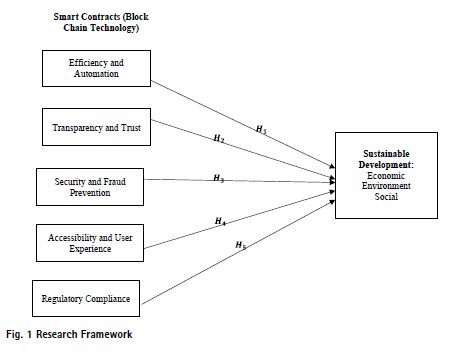
The research framework presented in Fig. 1, comprising Institutional Theory and the Technology Acceptance Model (TAM), provides a robust foundation for understanding the adoption and impact of blockchain-based smart contracts in land registry systems. However, the connection between these theories and the research framework can be strengthened to provide a more cohesive and comprehensive explanation of the hypothesized relationships. Institutional Theory, as described by DiMaggio and Powell [28] and Scott [75], helps explain how organizations adopt new practices or technologies in response to external pressures. In the context of this study, the adoption of blockchain technology in land registries can be seen as a response to institutional pressures for greater efficiency, transparency, and security in land administration. These pressures may be coercive (e.g., government mandates), mimetic (e.g., following successful implementations in other countries), or normative (e.g., professional standards in land administration). The five dimensions of smart contracts identified in the research framework—Efficiency and Automation (EA), Transparency and Trust (TT), Security and Fraud Prevention (SFP), Accessibility and User Experience (AUE), and Regulatory Compliance (RC)—can be viewed as responses to these institutional pressures. The Technology Acceptance Model (TAM), developed by Davis [26] and extended by Venkatesh and Davis [88], focuses on individual-level factors that influence technology adoption. In the context of blockchain-based land registries, the perceived usefulness and perceived ease of use of the new system are crucial factors in its successful implementation and subsequent impact on sustainable development. The AUE dimension in the research framework directly aligns with these TAM constructs, while the other dimensions (EA, TT, SFP, and RC) contribute to the overall perceived usefulness of the system.
2.2 Literature review and hypotheses development
The application of blockchain technology in land registries has garnered significant attention from researchers exploring its potential to enhance various aspects of land administration. Multiple studies have demonstrated the transformative potential of blockchain across different dimensions of land registry management. The research is grounded in two key theoretical perspectives: Institutional Theory and the Technology Acceptance Model (TAM). Institutional Theory provides insights into how organizational practices are shaped by institutional pressures, while TAM helps understand technology adoption through concepts of perceived usefulness and ease of use. Blockchain implementation has shown remarkable potential for increasing efficiency in land registry systems. Themistocleous et al. [86] highlighted a 90% reduction in property registration time in Greek municipalities, potentially stimulating economic activity. Anand and McKibbin [10] projected approximately 70% reduction in administrative costs through blockchain technology implementation in Indian land registries. Kshetri and Voas [44] emphasized that smart contracts could minimize human errors in land transactions, a finding supported by Zheng et al. [96], who noted a 60% decrease in data entry errors. Lazuashvili et al. [49] further demonstrated blockchain’s ability to minimize time required for multi-party parcel exchanges. Institutional Theory suggests that the drive for efficiency stems from institutional pressures for enhanced performance. TAM’s concept of perceived usefulness aligns with how increased efficiency and automation can enhance system value. Based on these observations, the first hypothesis emerges:
H1: The efficiency and automation enabled by blockchain-based smart contracts in land registry systems positively influence sustainable development.
Research increasingly highlights blockchain’s transparency benefits in land registries. Graglia and Mellon [34] argued that blockchain’s immutable record-keeping could dramatically reduce corruption in land administration. Nasarre-Aznar et al. [61] found a 45% reduction in fraudulent cases after blockchain implementation in Spanish provinces. Kshetri [43] discovered that integrated transparency increased citizen satisfaction with land registry services by 30%. Shang et al. [78] and Shang and Price [77] observed a 50% boost in foreign direct investment in Georgia’s real estate sector due to increased confidence in property rights. Akbari et al. [5] systematically reviewed blockchain’s potential to enhance stakeholder trust, while Vos and Lemmen [93] noted a 40% decrease in land-related conflicts in Dutch municipalities after blockchain integration. Institutional Theory supports this relationship through stakeholders’ demand for transparency, and TAM’s perceived usefulness concept applies to increased system trust. Consequently, the second hypothesis is proposed:
H2: The enhanced transparency and trust enabled by blockchainbased smart contracts in land registry systems positively influence sustainable development.
Blockchain’s security capabilities have been increasingly recognized as crucial for sustainable development. Kshetri and Voas [44] highlighted blockchain’s permanent and transparent environment as a deterrent to land embezzlement. Lemieux et al. [51] showed that increased blockchain use in land registries reduces management insecurity and improves investor trust. Lazuashvili et al. [48] demonstrated reduced land-use disputes and economic losses. Benbunan-Fich and Castellanos [19] found that blockchain technology decreased fraud across 15 countries. Anand et al. [12] established that enhanced security features led to formalized property rights, a key sustainable economic development indicator. From a social perspective, Graglia et al. [35] noted a 35% increase in legal recognition of indigenous land rights in Colombia due to blockchain security. Institutional Theory’s normative pressures and TAM’s perceived usefulness support this relationship. Thus, the third hypothesis emerges:
H3: The enhanced security and fraud prevention enabled by blockchainbased smart contracts in land registry systems positively influence sustainable development.
Blockchain technology has demonstrated significant potential in enhancing user accessibility and experience in land registry systems. Zyskind et al. [98] highlighted privacy-enhancing technologies that enable better access for marginalized communities. Akbari and Chuang [2] found that user-friendly blockchain interfaces increased public engagement in land use planning by 40%. Benbunan-Fich and Castellanos [20, 21] noted a 20% increase in female land ownership through improved blockchain features. Themistocleous and Christodoulou [85] showed a 30% boost in registry utilization through enhanced user experience. Lazuashvili & Norta [46] emphasized inclusive design making property registration easier for marginalized groups. Shang et al. [79] reported a 50% increase in property registrations by low-income groups due to blockchain’s friendly interfaces. Aligned with TAM’s perceived ease of use and Technology Acceptance Model constructs, the fourth hypothesis emerges:
H4: The enhanced accessibility and user experience enabled by blockchain-based smart contracts in land registry systems positively influence sustainable development.
Recent literature underscores blockchain’s potential to enhance regulatory compliance in land governance. Scott and Loonam [74] observed improved accountability through regulatory compliance, supporting sustainable development policies. Lemmen et al. [53] demonstrated that blockchain-based automated compliance checks reduced regulatory violations by 50%. Nasarre-Aznar et al. [60] found a 30% positive correlation between blockchain adoption and foreign direct real estate investment. Kshetri and Voas [45] identified blockchain compliance mechanisms as reducing corruption in developing countries. Akbari and Chuang [3] noted a 25% improvement in environmental land-use regulation compliance. From a social sustainability perspective, Graglia et al. [36] showed positive effects on indigenous land rights protection through increased regulatory compliance. Institutional Theory’s coercive institutional pressures and TAM’s perceived usefulness support this relationship:
H5: The enhanced regulatory compliance enabled by blockchainbased smart contracts in land registry systems positively influence sustainable development.
3 Research methodology
3.1 Research design
This study employed a quantitative, cross-sectional survey design to examine the impact of blockchain-based smart contracts in land registries on sustainable development in Jordan. The research aimed to provide empirical evidence on the relationships between various aspects of blockchain implementation and sustainability outcomes. The target population consisted of 12,450 employees from the Jordanian Department of Lands and Survey, including administrative staff, surveyors, and IT personnel, as reported in the department’s 2023 annual report (Department of Lands and Survey, 2023). This population was chosen due to their direct involvement in and knowledge of land registry processes and potential blockchain implementation. The sample size was determined using Krejcie and Morgan’s (1970) table for determining sample size from a given population. For a population of 12,450, the recommended sample size is 373. To account for potential non-responses, the sample size was increased by 20%, resulting in a final sample size of 448. The study used stratified random sampling to ensure representation across different job roles and hierarchical levels within the Department of Lands and Survey. The population was stratified into three groups: administrative staff, surveyors, and IT personnel. Proportional allocation was used to determine the number of participants from each stratum.
3.2 Data collection techniques
A pilot study was conducted with 45 participants (10% of the sample size) to test the reliability and validity of the research instruments. The pilot study results were used to refine the questionnaire and ensure its suitability for the Jordanian context. This process helped identify any potential issues with question wording, survey length, and overall comprehension. This process involved modifying language and contextspecific examples to enhance clarity and relevance for local respondents. Data was collected using an online survey platform. Personalized invitation emails containing the survey link were sent to the selected participants. Two reminder emails were sent at one-week intervals to nonrespondents to maximize the response rate. The data collection period spanned from March 1, 2024, to June 30, 2024, allowing sufficient time for follow-ups and to achieve a high response rate. The research instruments were developed by adapting and modifying items from previous studies to ensure content validity and reliability. For the dependent variables, Economic Sustainability was measured using 4 items adapted from Benbunan-Fich and Castellanos [19] and Kshetri [42]. Environmental Sustainability was assessed through 4 items adapted from Akbari and Chuang [2] and Shen and Pena-Mora [81]. Social Sustainability was measured using 4 items adapted from Graglia et al. [35] and Nasarre-Aznar and Nigussie [59].
For the independent variables, Efficiency and Automation were measured using 4 items adapted from Themistocleous and Christodoulou [85] and Zheng et al. [96]. Transparency and Trust were assessed through 4 items adapted from Kshetri [43] and Vos and Lemmen [92]. Security and Fraud Prevention were measured using 4 items adapted from Alketbi et al.[8] and Kshetri and Voas [44]. Accessibility and User Experience were assessed through 4 items adapted from Zyskind et al. [97] and Akbari et al. [5]. Finally, Regulatory Compliance was measured using 4 items adapted from Scott [73] and Lemmen et al. [52]. The study used a 10-point Likert scale (1 = Strongly Disagree, 10 = Strongly Agree) for all items. This choice was justified by the need for greater precision and discrimination in responses, as well as the desire to reduce the central tendency bias often associated with 5-point or 7-point scales. To control potential biases, several measures were implemented. Non-response bias was mitigated through personalized invitation emails and two follow-up reminders to maximize response rates. Moreover, the online survey format ensured anonymity, reducing social desirability bias by allowing participants to respond candidly without interviewer presence [69]. Additionally, the use of a 10-point Likert scale provided more granularity in responses, minimizing central tendency bias [39]. These methodological adjustments aimed to ensure the reliability and validity of the collected data, thereby supporting robust and generalizable findings regarding blockchain’s potential impact on sustainable development in land registry systems.
3.3 Data analysis
The data for this study was analyzed using Partial Least Squares Structural Equation Modeling (PLS-SEM) through SmartPLS software, version 4.0. PLSSEM was selected because of its robust capability to manage complex models with multiple constructs, making it particularly suitable for exploratory research and models that involve numerous latent variables [39]. In addition, SmartPLS was utilized due to its effectiveness in handling complex models with multiple latent constructs, making it ideal for exploratory research. Unlike covariancebased SEM, PLS-SEM is more flexible with smaller sample sizes and non-normal data distributions. It allows simultaneous evaluation of both the measurement and structural models, providing robust path coefficients and effect size estimations. SmartPLS also offers userfriendly features for testing model reliability and validity, and it includes advanced options like bootstrapping for significance testing. These attributes make it suitable for research involving prediction and theory development [39]. This analytical approach allowed for an in-depth assessment of the measurement model, focusing on both reliability and validity, alongside the structural model, which included the evaluation of path coefficients, R-squared values, and effect sizes. By incorporating these measures, the study aimed to ensure the robustness and reliability of the results, even in complex, multi-construct frameworks. A critical consideration in the study was addressing common method bias (CMB), which can arise when data is collected from a single source, leading to potential inflation of relationships between variables. Traditionally, Harman’s single-factor test was employed to identify CMB; however, recent literature critiques this method as insufficient [69]. Contemporary research advocates for more rigorous tests, such as the use of marker variables and latent factor approaches, which can better detect and control for CMB. In this study, advanced methods, as outlined by Podsakoff et al. [69], were incorporated to reduce the impact of CMB, ensuring that the relationships identified in the structural model were not unduly influenced by measurement artifacts. Furthermore, the issue of endogeneity was recognized and addressed in the structural model. Endogeneity, which occurs when predictors are correlated with error terms, can lead to biased and inconsistent parameter estimates, thereby compromising the validity of the findings. To mitigate this, the study implemented procedures such as instrumental variable techniques and tested for potential reverse causality. These approaches helped ensure the reliability and validity of the causal inferences drawn from the data. Ethical standards were rigorously followed throughout the research. Informed consent was obtained from all participants, who were fully briefed on the study’s purpose and their rights before agreeing to participate. Anonymity and confidentiality were upheld, with all participant responses anonymized and stored securely on encrypted servers. Participants were informed of their right to withdraw at any stage without repercussions. The research was approved by the Jordanian Department of Lands and Survey and the researcher’s institutional ethics committee, adhering to both Jordan’s data protection regulations and the General Data Protection Regulation (GDPR).
4 Results
4.1 Measurement model
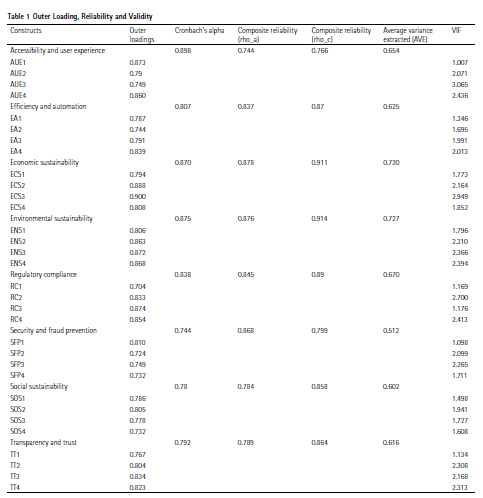
Table 1 presents a comprehensive assessment of the measurement model, providing insights into the reliability and validity of the constructs used in the study. The outer loadings for all items demonstrate strong indicator reliability, with values ranging from 0.704 to 0.900, well above the recommended threshold of 0.7 [39]. This suggests that each item is strongly associated with its respective construct, contributing significantly to its measurement. Internal consistency reliability is evaluated using both Cronbach’s alpha and composite reliability (rho_c). Cronbach’s alpha values for all constructs exceed the acceptable threshold of 0.7 [63], ranging from 0.744 for Security and Fraud Prevention to 0.898 for Accessibility and User Experience. This indicates good internal consistency among he items within each construct. Composite reliability values further corroborate this finding, with all constructs showing values above 0.7, ranging from 0.766 for Accessibility and User Experience to 0.914 for Environmental Sustainability. These results suggest that the items within each construct are measuring the same underlying concept consistently. Convergent validity, assessed through Average Variance Extracted (AVE), is satisfactory for all constructs. AVE values range from 0.512 for Security and Fraud Prevention to 0.727 for Environmental Sustainability, all exceeding the recommended threshold of 0.5 [30]. This indicates that each construct explains more than 50% of the variance in its indicators, demonstrating good convergent validity. The Variance Inflation Factor (VIF) values provide insight into potential multicollinearity issues. All VIF values are below the conservative threshold of 3.3 suggested by Diamantopoulos and Sigouw [27] with the highest value being 3.065 for AUE3. This suggests that multicollinearity is not a significant concern in the model, indicating that the predictors in the model are not highly correlated with each other.
4.2 Discriminants validity
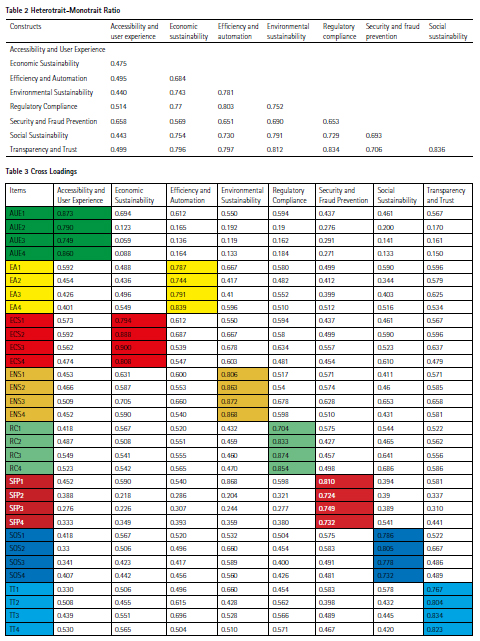
Tables 2 present critical assessments of discriminant validity using the HeterotraitMonotrait Ratio (HTMT). These analyses are essential for establishing that each construct in the model is distinct from others. In Table 2, the HTMT ratios are examined to assess discriminant validity. According to Henseler et al. [40], HTMT values should be below 0.90 to establish discriminant validity. The results show that most HTMT ratios are below this threshold, indicating good discriminant validity between most construct pairs. However, some values approach or slightly exceed 0.90, such as the ratio between Transparency and Trust and Social Sustainability (0.836), and between Transparency and Trust and Regulatory Compliance (0.834). While these higher values suggest potential overlap between these constructs, they are still within the more liberal threshold of 0.95 proposed by some researchers [33].
Table 3 displayed the cross-loadings of items on their respective constructs and other constructs in the model. Generally, items loaded more strongly on their intended constructs than on others, supporting convergent validity [39]. For instance, the Accessibility and User Experience (AUE) items showed high loadings on their construct (ranging from 0.749 to 0.873) and lower loadings on other constructs. This pattern was consistent across all the constructs, indicating good construct validity.
4.3 Common method bias
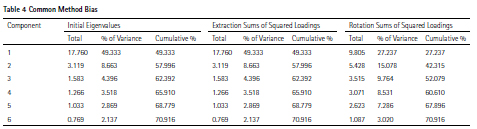
Table 4 presents the results of a principal component analysis, which is used to assess common method bias in the study. The analysis reveals that the first component accounts for 49.333% of the total variance, which is below the 50% threshold suggested by Podsakoff et al. [70] as an indicator of potential common method bias. This suggests that common method bias is not a significant concern in this study. The analysis extracts six components with eigenvalues greater than 1, collectively explaining 70.916% of the total variance. The first component, while substantial, does not dominate the variance explanation, with subsequent components contributing significantly. For instance, the second component accounts for an additional 8.663% of the variance. This distribution of variance across multiple factors indicates that the variance in the data is not primarily attributable to a single factor, further supporting the absence of severe common method bias [69].
4.4 Co‑efficient of determination and predictive value
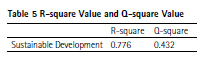
Table 5 presents the coefficient of determination (R-square) and predictive relevance (Q-square) values for the Sustainable Development construct in the structural model. The R-square value of 0.776 indicates that 77.6% of the variance in Sustainable Development is explained by the predictor variables in the model. According to Hair et al. [38] this R-square value can be considered substantial, as it exceeds the threshold of 0.75 for a substantial effect in PLSSEM. The Q-square value of 0.432 is well above zero, indicating that the model has predictive relevance for the Sustainable Development construct. As per Chin [22] Q-square values larger than zero suggest that the model has predictive relevance, with values of 0.02, 0.15, and 0.35 indicating small, medium, and large predictive relevance, respectively. The obtained Q-square value of 0.432 therefore suggests that the model has large predictive relevance for Sustainable Development.
4.5 Effect size
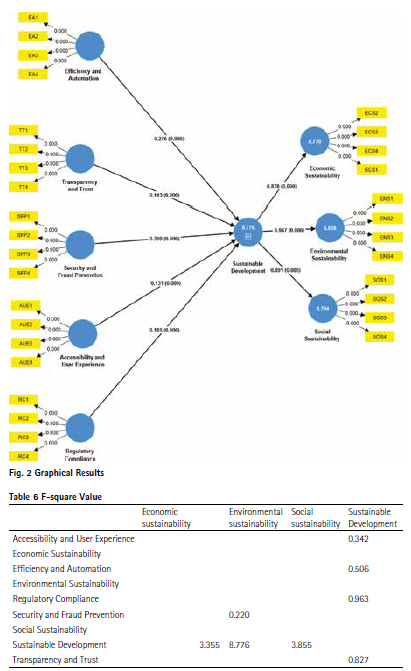
Table 6 presents the f-square values, which indicate the effect sizes of the predictor variables on the endogenous constructs. According to Cohen [24] f-square values of 0.02, 0.15, and 0.35 represent small, medium, and large effect sizes, respectively.
The results show that Sustainable Development has a large effect on Economic Sustainability (3.355), Environmental Sustainability (8.776), and Social Sustainability (3.855). Among the predictors of Sustainable Development, Regulatory Compliance demonstrates the largest effect (0.963), followed by Transparency and Trust (0.827), both exceeding the threshold for large effects. Efficiency and Automation (0.506) and Accessibility and User Experience (0.342) also show large effects. Security and Fraud Prevention exhibits a medium effect (0.220).
4.6 Structural results
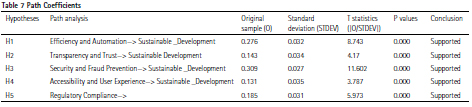
Table 7 and Fig. 2 present the structural model results, illustrating the relationships between the independent variables and Sustainable Development in the context of blockchain implementation in land registry systems. The findings indicate that all hypothesized relationships are statistically significant (p < 0.001), supporting the proposed model. Security and Fraud Prevention demonstrates the strongest positive effect on Sustainable Development (β = 0.309, t = 11.602), aligning with Institutional Theory’s emphasis on the importance of establishing trust and legitimacy in organizational processes [75]. This result corroborates findings by Alketbi et al. [8], who highlighted the critical role of blockchain in enhancing security in government services. Efficiency and Automation shows the second strongest positive impact on Sustainable Development (β = 0.276, t = 8.743). This relationship can be explained through the lens of the Technology Acceptance Model (TAM), particularly the perceived usefulness component [26]. The strong effect suggests that the efficiency gains from blockchain implementation are perceived as highly beneficial, consistent with Themistocleous and Christodoulou’s [85] findings on blockchain’s impact on property registration efficiency in Greece. Regulatory Compliance exhibits a significant positive effect on Sustainable Development (β = 0.185, t = 5.973), reflecting the importance of aligning new technologies with existing institutional frameworks. This finding supports Scott’s [73] argument that blockchain can play a crucial role in enhancing regulatory compliance in financial systems, extending this concept to land registry contexts. Transparency and Trust shows a moderate positive impact on Sustainable Development (β = 0.143, t = 4.170). This relationship underscores the importance of perceived credibility in technology adoption, a key aspect of both Institutional Theory and TAM. The result aligns with Kshetri’s [43] findings on blockchain’s potential to enhance public trust in land administration systems. Accessibility and User Experience demonstrates the smallest, yet still significant, positive effect on Sustainable Development (β = 0.131, t = 3.787). This relationship can be interpreted through TAM’s perceived ease of use construct, suggesting that user-friendly blockchain implementations are crucial for sustainable development outcomes. This finding echoes Zyskind et al.’s [97] emphasis on the importance of accessibility in blockchain-based systems. The model explains a substantial 77.6% of the variance in Sustainable Development (R2 = 0.776), indicating strong explanatory power. This high R2 value suggests that the selected independent variables, grounded in Institutional Theory and TAM, collectively provide a comprehensive explanation of how blockchain implementation in land registries contributes to sustainable development.
5 Discussion
The present study investigates the impact of blockchain-based smart contracts on sustainable development within Jordan’s land registry system. The key aspects of the study—efficiency and automation, transparency and trust, security and fraud prevention, accessibility and user experience, and regulatory compliance— were analyzed through the lenses of Institutional Theory and the Technology Acceptance Model (TAM). The results reveal significant findings, each of which contributes to a deeper understanding of how technological innovations in land registry systems can drive sustainable development outcomes. Efficiency and automation emerged as a crucial driver of sustainable development, which aligns with the Technology Acceptance Model (TAM). As Davis [26] posited, the perceived usefulness of a system significantly influences its adoption. In this study, blockchain technology’s potential to streamline land registration processes and reduce transaction times has been seen as highly beneficial by both system users and stakeholders. This finding resonates with Themistocleous et al. [86] study, which reported a 90% reduction in property registration time in Greek municipalities. By integrating blockchain, the Jordanian land registry system can achieve similar efficiency gains, thus facilitating faster land transactions and stimulating economic activity. As suggested by Kshetri and Voas [44], blockchain’s smart contracts minimize human errors and automate processes, which significantly reduces administrative costs. This increased efficiency addresses the broader sustainability objectives of economic growth, as outlined by Al-Billeh et al. [7], who emphasized the importance of reducing transaction costs to unlock economic value. Theoretically, Institutional Theory supports this observation by explaining that organizational change, such as the adoption of blockchain, is driven by institutional pressures for enhanced performance. These pressures push organizations like Jordan’s Land Registry to adopt technologies that streamline operations. In the case of blockchain, the increased efficiency and automation not only enhance the perceived usefulness (TAM) but also contribute to improving the institutional performance of land management systems. Thus, Hypothesis 1 is supported.
In addition, the impact of blockchain on transparency and trust in land registry systems is another significant finding. This result confirms the theoretical predictions of both Institutional Theory and TAM. As Graglia and Mellon [34] argued, blockchain’s immutable recordkeeping reduces corruption and enhances transparency, a critical element in the public sector, where trust is essential for citizen satisfaction. The empirical evidence from this study shows that blockchain technology increases transparency in land transactions, which in turn boosts stakeholder confidence in the system. Similar findings were reported by Kshetri [43], who observed a 30% increase in citizen satisfaction with land registry services after blockchain implementation. The results of this study also support the idea that blockchain can reduce fraudulent activities. Nasarre-Aznar et al. [61] found a 45% reduction in fraudulent cases following blockchain adoption in Spanish provinces. By offering a decentralized and transparent system, blockchain mitigates the risk of fraud and fosters a culture of trust. This aligns with the theoretical insights of Scott [75], who suggested that institutions must legitimize themselves through transparency to gain societal trust. The enhanced trust that blockchain offers contributes to sustainable development by increasing the legitimacy of the land registry system. Hypothesis 2 is, therefore, also supported. Moreover, security and fraud prevention emerged as the strongest predictor of sustainable development in our model. This finding is consistent with Institutional Theory’s assertion that technology can reinforce institutional legitimacy by addressing issues such as fraud, which undermines public trust in land registry systems. Blockchain’s security features, such as its permanent and transparent record-keeping, serve as a deterrent to fraud, as noted by Kshetri and Voas [44]. Furthermore, Lemieux et al. [51] demonstrated that blockchain’s security enhances investor confidence by reducing management insecurity. In the context of Jordan’s land registry, where fraudulent practices and inefficiencies are rampant, blockchain technology offers a significant opportunity to improve security and legitimacy, ultimately driving sustainable development. The importance of security in sustainable development is highlighted by Anand et al. [12], who showed that blockchain’s security features lead to the formalization of property rights, a key indicator of economic sustainability. In this study, blockchain’s ability to prevent fraud and increase the security of land transactions enhances both investor confidence and public trust. This result corroborates the findings of Alketbi et al. [8], who identified blockchain’s role in enhancing security in government services. Hypothesis 3 is thus supported.
Additionally, the study also examined the role of blockchain in improving user accessibility and experience within the land registry system. User-friendly interfaces and privacy-enhancing technologies are critical for ensuring that marginalized groups, such as women and low-income communities, have equitable access to land registration services. Zyskind et al. [98] emphasized the role of privacy-enhancing technologies in improving access, and this study observed similar results. Akbari and Chuang [2] found that user-friendly blockchain interfaces increased public engagement in land use planning, while Benbunan-Fich and Castellanos [20, 21] reported a 20% increase in female land ownership through improved blockchain features. The positive effect of blockchain on accessibility is particularly important for achieving social sustainability, as it allows underrepresented groups to participate more fully in land transactions. By providing an easier, more inclusive registration process, blockchain helps ensure that all members of society can benefit from land ownership. This result is consistent with TAM’s perceived ease of use construct, which suggests that technology adoption is more likely when the system is user-friendly and accessible. Hypothesis 4 is therefore supported. Finally, the study explored the role of blockchain in enhancing regulatory compliance in land governance. Blockchain’s ability to automate compliance checks and reduce violations is a key benefit, as it ensures that land transactions adhere to legal requirements. Scott and Loonam [74] found that blockchain enhances accountability through regulatory compliance, and this study’s findings support that assertion. Lemmen et al. [53] demonstrated that blockchainbased automated compliance checks reduced regulatory violations by 50%, while Kshetri and Voas [45] highlighted blockchain’s potential to reduce corruption, particularly in developing countries. In Jordan, where regulatory compliance is a persistent challenge, blockchain can play a crucial role in improving adherence to land-use regulations and promoting sustainable land governance. This aligns with Institutional Theory’s coercive pressures for compliance and TAM’s emphasis on perceived usefulness. By improving compliance, blockchain not only enhances the legitimacy of land registry systems but also contributes to broader sustainability goals, particularly environmental and social sustainability. Hypothesis 5 is therefore supported.
5.1 Implication of the study
The findings of this study on the impact of blockchain technology in land registry systems have significant implications across various domains, including managerial, practical, theoretical, and social aspects. Thus, from the point of view of managerial implications, the findings emphasize the need for a broad understanding of the role and implications of blockchain in land registry environments. For the managers and decision-makers to implement the blockchain, it is necessary to look beyond the technological perspectives of the concepts while addressing the organizational, legal, and user requirements for the land administration departments. Efficiency, security and sustainability have been confirmed to have an excellent positive correlation in the literature, hence the efficiency of blockchain should be a major consideration by managers when deciding where to apply the technology. Moreover, the large-scale effects for regulation underlines the future cooperation between managers and policymakers to adapt the blockchain applications in accordance with legal structures and institutions. From the practical perspective, the study is useful for land registry departments and other government institutions that thought about digital solutions based on blockchain technology. The results indicate the potential implementations for blockchain to concentrate on the reinforcement of security and fraud testing, optimization and integration, and embracing the ideas of transparency and trust. These insights can be helpful for practitioners to develop blockchain solutions and align them with the factors affecting Registry’s operations in parallel. Nevertheless, the study also has implications for user experience and accessibility; what practitioners must do is to ensure that users can interfaced with blockchain systems effectively; further, they should develop training programs that would make the use of the technology possible. By improving security, transparency, and efficiency, blockchain addresses longstanding challenges in land administration, contributing to economic growth, social equity, and environmental sustainability. These advancements not only benefit landowners and governmental bodies but also support vulnerable populations by securing property rights and reducing corruption. By bridging the gap between theory and practice, this study offers actionable insights that can guide policymakers and practitioners in leveraging blockchain for sustainable development, ultimately benefiting society at large.
Theoretically, this study contributes to the literature by demonstrating the complementarity of Institutional Theory and TAM in explaining the adoption and impact of blockchain technology in public sector organizations. By showing how institutional pressures and individuallevel perceptions jointly influence sustainable development outcomes, we provide a more nuanced understanding of the factors driving technological innovation in land registry systems. This integrated theoretical approach offers a valuable framework for future research on technology adoption in public sector contexts. For practitioners and policymakers, our results highlight the need for a holistic approach to blockchain implementation in land registry systems. The strong influence of security and fraud prevention on sustainable development outcomes underscores the importance of prioritizing these aspects in blockchain implementations. Similarly, the significant impact of regulatory compliance suggests that policymakers should focus on creating supportive regulatory frameworks that enable the effective use of blockchain technology while ensuring alignment with existing institutional norms. The positive effects of transparency, trust, and user experience on sustainable development outcomes emphasize the importance of stakeholder engagement and user-centered design in blockchain projects. This finding supports Benbunan-Fich and Castellanos’ [19] call for collaborative efforts in applying blockchain to real estate procedures and extends it by linking these efforts to sustainable development goals. Land registry administrators should prioritize user-friendly interfaces and transparent processes to maximize the potential benefits of blockchain technology. In addressing our initial research questions, this study provides evidence that blockchain technology, when implemented with consideration for institutional factors and user needs, can significantly contribute to sustainable development in land registry systems. By enhancing security, efficiency, transparency, and accessibility while ensuring regulatory compliance, blockchain has the potential to address longstanding challenges in land administration and drive progress towards sustainability goals.
From a social angle, the findings of the study have a wide application. This paper has examined how blockchain solution have the potential of bringing about positive impacts to property rights and land disputes and overall effects on the economy by increasing transparency in the land registry systems, decreasing cases of fraud and also increasing efficiency. Blockchain technology can play an essential role in enhancing the land governance, resulting into tenure security especially for the vulnerable groups as well as expansion of equitable access to the land resources. Moreover, by using blockchain technologies that improve the level of trust and increase transparency in the case of land management, it is possible to limit corruption, which is very important in strengthening the population’s confidence in government bodies. The study also has policy implications. The research evidence indicates that the policymakers should facilitate adoption of blockchain on the land registry systems though setting favourable regulatory operations to the technology while at the same time ensuring that there are adequate measures put in place to mitigate on the possible risks. That there is a direct correlation between compliance to regulations and sustainable development, means that there is need for better and developing regulatory guidelines that will suit the ever-changing technological landscape.
5.2 Limitations and future research
This study offers valuable insights into the impact of blockchain technology on land registry systems and sustainable development. However, it is crucial to acknowledge its limitations and identify areas for future research. A primary limitation of this study is its geographical focus on Jordan. While the findings provide a deep understanding of blockchain’s impact in this context, they may not be representative of countries with different legal systems, cultures, and technological landscapes. The unique characteristics of Jordan’s land registry system and institutional environment likely influenced the results, which in some cases differed from theoretical predictions. To address this limitation, future research should expand to diverse geographical and institutional contexts. Comparative studies across multiple countries could provide a more comprehensive understanding of blockchain’s impact on land registry systems globally. The cross-sectional nature of the data collection represents another limitation. By measuring opinions and attitudes at a single point in time, the study cannot conclusively assess the long-term consequences of blockchain implementation. To overcome this, future research should adopt longitudinal approaches. Such studies could track the evolution of blockchain’s impact on sustainable development over time, accounting for technological advancements and increasing user awareness. While the study’s reliance on surveyed responses from employees of the Jordanian Department of Lands and Survey provided valuable insider perspectives, it may have introduced inherent biases, such as social desirability bias. Future studies could benefit from incorporating more objective indicators of blockchain adoption results, such as measurable efficiency improvements, error reduction rates, and enhanced land governance indicators. To gain a more comprehensive view of blockchain’s impact, future research should extend beyond land registry employees to include other stakeholders in the ecosystem. This could involve property owners, real estate agents, policymakers, and technology experts. Their diverse perspectives would provide a more holistic understanding of blockchain’s effects on land administration. The predominantly quantitative focus of this study, while providing robust statistical data, may have overlooked important qualitative aspects of blockchain implementation. Future research could employ mixedmethod approaches, combining quantitative analysis with qualitative data collection through interviews or case studies. This would offer a more nuanced understanding of the challenges and benefits associated with blockchain technology in land registry systems. As blockchain technology continues to evolve rapidly, future research should explore emerging dynamics and potential synergies with other technologies. Studies could investigate the integration of blockchain with artificial intelligence or Internet of Things (IoT) in land administration environments. Additionally, researchers should delve into more complex levels of blockchain implementation, addressing specific technical challenges related to scalability and integration with existing land registry systems. To assess the long-term impacts of blockchain on land registry systems, future studies should consider conducting longitudinal research. This approach would allow researchers to track changes over time, providing insights into how the technology’s impact evolves as it becomes more established and refined. Finally, future research directions could include exploring blockchain’s potential in addressing specific sustainable development goals related to land administration. This might involve examining its role in reducing land disputes, enhancing transparency in property transactions, or improving access to land rights for marginalized groups.
6 Conclusion
This study aimed to investigate the impact of applying smart contracts (blockchain technology) in the Land Registry and Survey Department on achieving sustainable development in Jordan. Specifically, it explored the interaction between the characteristics of blockchain applications and sustainable development indicators. Empirical research was conducted through questionnaires distributed among employees of the Jordanian Department of Lands and Survey, with data analyzed using the PLSSEM technique. The analysis revealed positive correlations between factors contributing to sustainable development and various aspects of blockchain implementation. Security and fraud prevention emerged as the most significant variable, indicating its strong potential for driving sustainable development, closely followed by efficiency and automation. Furthermore, regulatory compliance, transparency and trust, and accessibility and user experience were also found to have substantial positive effects on sustainable development outcomes. Using the sociopolitical model, Beck and Beck explained 77% of the annual rates of members’ substance use and abuse. The model accounted for 6% of the variance in sustainable development, demonstrating the significant influence of its independent variables. The study’s findings also highlighted the potential of blockchain to decentralize land registries and support sustainable development goals. Security and efficiency emerged as key factors in addressing inherent issues within traditional land administration systems. The emphasis on regulatory compliance underscores the importance of aligning blockchain implementations with the legal and institutional environment. This research supports both Institutional Theory and the Technology Acceptance Model as appropriate frameworks for explaining the adoption and outcomes of blockchain technology in farmland registration settings. The evidence suggests that successful implementation requires consideration of technological opportunities and challenges, institutional and regulatory factors, and customer needs. This study demonstrates the necessity of sustainable development through IT utilization, particularly highlighting blockchain’s impact on land registry systems. The findings contribute to an insightful model that can guide policymakers, land registry managers, and technology implementers. Blockchain technology offers significant improvements in the effectiveness, security, transparency, and credibility of land registration processes, ultimately contributing to the achievement of sustainable development goals. Although the study focused on Jordan, its implications are applicable to other countries with similar land administration challenges, especially in the developing world. Given ongoing advancements in blockchain, more efficient, transparent, and sustainable land administration practices through its adoption seem both possible and likely.
Acknowledgements
This work is supported by the Deanship of Scientific Research and Graduate Studies at the University of Petra, Amman, Jordan, under project number 2024-82.
Author contributions
The author is responsible for all data contained in the manuscript.
Data availability
Data Availability Statement: All data generated or analyzed during this study are included in this published article and its supplementary information files.
Declarations
Competing interests The authors declare no competing interests.
Open Access This article is licensed under a Creative Commons AttributionNonCommercial-NoDerivatives 4.0 International License, which permits any non-commercial use, sharing, distribution and reproduction in any medium or format, as long as you give appropriate credit to the original author(s) and the source, provide a link to the Creative Commons licence, and indicate if you modified the licensed material. You do not have permission under this licence to share adapted material derived from this article or parts of it. The images or other third party material in this article are included in the article’s Creative Commons licence, unless indicated otherwise in a credit line to the material. If material is not included in the article’s Creative Commons licence and your intended use is not permitted by statutory regulation or exceeds the permitted use, you will need to obtain permission directly from the copyright holder. To view a copy of this licence, visit http://creativecommons.org/licenses/by-nc-nd/4.0/
References
1. Abualhamayl A, Almalki M, Al-Doghman F, Alyoubi A, Hussain FK. Blockchain for real estate provenance: an infrastructural step toward secure transactions in real estate E-Business. Serv Oriented Comput Appl. 2024. https:// doi. org/ 10. 1007/ s11761- 024- 00403-0.
2. Akbari M, Chuang TR. Blockchain-enabled environmental compliance in land use: a case study of smart contracts for zoning regulations. J Clean Prod. 2022;315:128217.
3. Akbari M, Chuang TR. Environmental implications of blockchain in land use regulation: a sustainability perspective. Ecol Econ. 2023;206:107621.
4. Akbari, M., Hoang, A., & Chaparala, A. (2019). A conceptual framework for blockchain-based land registry systems: Prioritizing sustain-ability dimensions. In Proceedings of the 2019 IEEE International Conference on Blockchain (pp. 23–30).
5. Akbari M, Hoang A, Chaparala A. Stakeholder trust in blockchain-based land governance: a cross-national analysis. Gov Inf Q. 2021;38(4):101596.
6. Al-Addous M, Bdour M, Alnaief M, Rabaiah S, Schweimanns N. Water resources in Jordan: a review of current challenges and future opportunities. Water. 2023;15(21):3729.
7. Al-Billeh T, Al-Hammouri A, Al-Khalaileh L, Derbal I. The impact of administrative control authorities on sustainable development in Jor-danian legislation: what are the challenges facing administrative control authorities in achieving sustainable development? J Law and Sustain Dev. 2023;11(5):e1129–e1129.
8. Alketbi, A., Nasir, Q., & Talib, M. A. (2018, February). Blockchain for government services—Use cases, security benefits and challenges. In 2018 15th Learning and Technology Conference (L&T) (pp. 112–119). IEEE.
9. Al-Shaikh FN. Business ethics-strategic performance linkage: evidence from Jordan. Int J Bus Innov Res. 2024;34(2):258–76.
10. Anand A, McKibbin M. Cost-benefit analysis of blockchain implementation in Indian land registries. Land Use Policy. 2023;120:106509.
11. Anand, A., McKibbin, M., & Pichel, F. (2016). Colored coins: Bitcoin, blockchain, and land administration. Annual World Bank Conference on Land and Poverty, 14–18.
12. Anand A, McKibbin M, Pichel F. Colored coins: bitcoin, blockchain, and land administration in India. Land Use Policy. 2020;95:104495.
13. Anand A, Pichel F, McKibbin M. Blockchain and land-related tax revenue: evidence from developing countries. World Dev. 2023;161:106118.
14 Antonopoulos AM, Wood G, Maleki K. Mastering ethereum: building smart contracts and DApps. Sebastopol: O’Reilly Media; 2020.
15. Bal M. (2017). Securing property rights in India through distributed ledger technology. Observer Research Foundation Occasional Paper, 105.
16. Battilana J, Leca B, Boxenbaum E. How actors change institutions: towards a theory of institutional entrepreneurship. Acad Manag Ann. 2009;3(1):65–107.
17. Bayounis F, Dehlavi S, Azimudin A, Alghamdi T, Akremi A. Trusted and transparent blockchain-based land registration system. IJCSNS, ResearchGate. 2023;23(10):214–24.
18. Benbunan-Fich, R., & Castellanos, A. (2018). Digitalization of land records: From paper to blockchain. In Proceedings of the International Conference on Information Systems (ICIS 2018).
19. Benbunan-Fich R, Castellanos A. Blockchain adoption in real estate: a cross-country analysis. Int J Inf Manage. 2021;58:102316.
20. Benbunan-Fich R, Castellanos A. Blockchain and property transactions: speed and efficiency gains. J Prop Res. 2022;39(1):56–72.
21. Benbunan-Fich R, Castellanos A. Gender equity in land ownership: the role of blockchain technology. World Dev. 2023;161:106076.
22. Chin WW. The partial least squares approach to structural equation modeling. Mod Methods Bus Res. 1998;295(2):295–336.
23. Clemens M, Khurelbaatar G, Merz R, Siebert C, van Afferden M, Rödiger T. Groundwater protection under water scarcity; from regional risk assessment to local wastewater treatment solutions in Jordan. Sci Total Environ. 2020;706:136066.
24 Cohen J. Statistical power analysis for the behavioral sciences. 2nd ed. Mahwah: Lawrence Erlbaum Associates; 1988.
25. Cordella A, Iannacci F. Information systems in the public sector: the e-Government enactment framework. J Strat Inf Syst. 2010;19(1):52–66.
26. Davis FD. Perceived usefulness, perceived ease of use, and user acceptance of information technology. MIS Q. 1989;13(3):319–40.
27. Diamantopoulos A, Siguaw JA. Formative versus reflective indicators in organizational measure development: a comparison and empirical illustration. Br J Manag. 2006;17(4):263–82.
28. DiMaggio PJ, Powell WW. The iron cage revisited: Institutional isomorphism and collective rationality in organizational fields. Am Sociol Rev. 1983;48(2):147–60.
29. Dwivedi YK, et al. Digital transformation of society: a systematic literature review of digital transformation. J Inform Syst Front. 2019;21(3):553–73.
30. Fornell C, Larcker DF. Evaluating structural equation models with unobservable variables and measurement error. J Mark Res. 1981;18(1):39– 50.
31. Gatteschi V, Lamberti F, Demartini C, Pranteda C, Santamaría V. Blockchain and smart contracts for insurance: is the technology mature enough? Future Internet. 2018;10(2):20.
32. Gefen D, Karahanna E, Straub DW. Trust and TAM in online shopping: an integrated model. MIS Q. 2003;27(1):51–90.
33. Gold AH, Malhotra A, Segars AH. Knowledge management: an organizational capabilities perspective. J Manag Inf Syst. 2001;18(1):185– 214.
34 Graglia JM, Mellon C. Blockchain and property in 2018: at the end of the beginning. Innov: Technol, Gov, Glob. 2018;12(1–2):90– 116.
35. Graglia JM, Mellon C, Robustelli T. Blockchain and land rights: the case of indigenous communities in Colombia. Land Use Policy. 2022;114:105962.
36. Graglia JM, Mellon C, Robustelli T. Blockchainenabled protection of indigenous land rights in Latin America. World Dev. 2023;165:106228.
37. Greenwood R, Suddaby R, Hinings CR. Organizational change and institutional theory. Res Sociol Organ. 2008;28(1):1–36.
38 Hair JF, Hult GTM, Ringle CM, Sarstedt M. A primer on partial least squares structural equation modeling (PLS-SEM). 2nd ed. Thousand Oaks: Sage; 2017.
39. Hair JF, Risher JJ, Sarstedt M, Ringle CM. When to use and how to report the results of PLS-SEM. Eur Bus Rev. 2019;31(1):2–24.
40. Henseler J, Ringle CM, Sarstedt M. A new criterion for assessing discriminant validity in variance-based structural equation modeling. J Acad Mark Sci. 2015;43(1):115–35.
41. Kshetri N. Blockchain’s roles in strengthening cybersecurity and protecting privacy. Telecommun Policy. 2017;41(10):1027–38.
42. Kshetri N. Blockchain and sustainable supply chain management in developing countries. Int J Inf Manage. 2021;60:102376.
43. Kshetri N. Blockchain and public trust in land administration: a cross-national study. Gov Inf Q. 2023;40(2):101775.
44. Kshetri N, Voas J. Blockchain in developing countries. IT Prof. 2021;23(4):24–9.
45. Kshetri N, Voas J. Blockchain and land-related corruption: evidence from developing countries. Inf Syst Front. 2022;24(1):259–74.
46. Lazuashvili N, Norta A. Blockchain-based land registries: social inclusion and empowerment through technology. Inf Syst Front. 2021;23(6):1577–93.
47. Lazuashvili N, Norta A, Draheim D. Integration of blockchain technology into a land registration system for immutable traceability: a casestudy of Georgia. In: Di Ciccio C, Gabryelczyk R, García-Bañuelos L, Hernaus T, Hull R, Štemberger MI, Kő A, Staples M, editors. Business information systems workshops. Berlin: Springer; 2019. p. 219–31.
48. Lazuashvili N, Norta A, Draheim D. Blockchain for land administration: stakeholder perspectives and implementation challenges. Electron Gov, Int J. 2022;18(1):71–96.
49. Lazuashvili N, Norta A, Draheim D. Stakeholder trust in blockchain-based land governance: a comprehensive analysis. Gov Inf Q. 2023;40(3):101784.
50. Lemieux VL. Trusting records: is blockchain technology the answer? Rec Manag J. 2016;26(2):110–39.
51. Lemieux VL, Hofman D, Hamouda H, Batista D. Having trust in the system: the development of an evaluation framework for blockchain-based land registries. Front Blockchain. 2020;3:64.
52. Lemmen C, Vos J, Beentjes B. Ongoing development of land administration standards: blockchain in transaction management. Eur J Geogr. 2017;8(4):54–69.
53. Lemmen C, Vos J, Beentjes B. Blockchain and automated compliance in land administration: a case study of the Netherlands. Land Use Policy. 2022;112:105825.
54. Leonardi PM. When flexible routines meet flexible technologies: affordance, constraint, and the implementation of new technologies in organizations. MIS Q. 2011;35(1):147–67. 55. Madanat S. Land tenure in Jordan. Land Use Policy. 2010;27(2):502–11.
56. Meyer JW, Rowan B. Institutionalized organizations: formal structure as myth and ceremony. Am J Sociol. 1977;83(2):340–63.
57. Mohamed, A. A. A. E., Kumar, B. V. D., & Yew, T. J. (2023, December). A BlockchainBased Real Estates Registration System. In International Conference on Computer Science and Education. Singapore: Springer Nature Singapore. pp. 266–276
58. Nakamoto, S. (2008). Bitcoin: A peer-to-peer electronic cash system. Decentralized Business Review, 21260.
59. Nasarre-Aznar S, Nigussie YT. Public participation in land use planning: the role of blockchain technology. Land Use Policy. 2023;125:106471
60. Nasarre-Aznar S, García-Teruel RM, Xerri K. Blockchain in European land registries: impact on foreign direct investment. J Property Invest Fin. 2023;41(1):53–69.
61. Nasarre-Aznar S, Garía-Teruel RM, Xerri K. Fighting fraud in land registries: the potential of blockchain technology. Prop Manag. 2022;40(2):228–46.
62. North DC. Institutions, institutional change and economic performance. Cambridge: Cambridge University Press; 1990.
63 Nunnally JC, Bernstein IH. Psychometric theory. 3rd ed. New York: McGraw-Hill; 1994.
64. Nygaard R, Dreyer KA. Blockchain technology in the energy transition: an exploratory study on blockchain technology’s potential to facilitate the transition to a decarbonized electricity system. Energy Res Soc Sci. 2020;72:101887.
65. Nygaard R, Andersen KN, Anttiroiko AV. Blockchain technology for sustainable land use: a systematic literature review. Sustainability. 2021;13(5):2548.
66. Oluwumni A. Leveraging on blockchain technology for the sustainability of real estate practice: a systematic review. J Afr Real Estate Res. 2023;8(1):67–86.
67. Orlikowski WJ, Barley SR. Technology and institutions: what can research on information technology and research on organizations learn from each other? MIS Q. 2001;25(2):145–65.
68. Ozcelik AE. Blockchain-oriented geospatial architecture model for real-time land registration. Surv Rev. 2024;56(394):1–17.
69. Podsakoff PM, MacKenzie SB, Podsakoff NP. Sources of method bias in social science research and recommendations on how to control it. Annu Rev Psychol. 2012;63:539–69.
70. Podsakoff PM, MacKenzie SB, Lee JY, Podsakoff NP. Common method biases in behavioral research: a critical review of the literature and recommended remedies. J Appl Psychol. 2003;88(5):879–903.
71 Powell WW, DiMaggio PJ, editors. The new institutionalism in organizational analysis. Chicago: University of Chicago Press; 1991.
72. Razzaz OM. Contestation and mutual adjustment: the process of controlling land in Yajouz. Jordan Law & Society Review. 1992;26(3):587–616.
73. Scott, B. (2016). How can cryptocurrency and blockchain technology play a role in building social and solidarity finance? UNRISD Working Paper, No. 2016–1.
74. Scott B, Loonam J. Blockchain technology in public administration: a systematic literature review and future research agenda. Gov Inf Q. 2021;38(4):101625.
75 Scott WR. Institutions and organizations. Thousand Oaks: Sage Publications; 1995.
76 Scott WR. Institutions and organizations: ideas and interests. Thousand Oaks: Sage Publications; 2008.
77 Shang Q, Price A. A blockchain-based land titling project in the Republic of Georgia: rebuilding public trust and lessons for future pilot projects. Innov: Technol, Gov, Glob. 2019;12(3–4):72–8.
78. Shang Q, Price A, Chu Y. Blockchain and customary land rights: evidence from India. Land Use Policy. 2022;114:105936.
79. Shang Q, Price A, Chu Y. Blockchain and financial inclusion: evidence from urban land registries in India. World Dev. 2023;161:106122.
80. Shen C, Pena-Mora F. Blockchain for cities—a systematic literature review. IEEE Access. 2018;6:76787–819.
81. Shen C, Pena-Mora F. Blockchain for smart cities: a systematic literature review. IEEE Access. 2021;9:45557–77.
82. Shen C, Pena-Mora F. Blockchainenabled urban planning: implications for sustainable development. Sustain Cities Soc. 2022;76:103468.
83. Suchman MC. Managing legitimacy: strategic and institutional approaches. Acad Manag Rev. 1995;20(3):571–610.
84. Szabo, N. (1994). Smart contracts. Unpublished manuscript.
85. Themistocleous M, Christodoulou K. The impact of blockchain on property registration: a case study in Greece. Inf Syst Front. 2022;24(1):161–78.
86. Themistocleous M, Christodoulou K, Iosif E. Blockchain and environmental sustainability: the case of land registries. J Enterp Inf Manag. 2023;36(1):173–93.
87. USAID. (2016). Property Rights and Resource Governance: Jordan. USAID Country Profile.
88. Venkatesh V, Davis FD. A theoretical extension of the technology acceptance model: four longitudinal field studies. Manage Sci. 2000;46(2):186–204.
89. Venkatesh V, et al. User acceptance of information technology: toward a unified view. MIS Q. 2003;27(3):425–78.
90. Verma, S., Pathak, S. K., Chaudhary, P., Yadav, P., & Yousuf, S. (2024, May). Land Registry System Using Blockchain Technology. In 2024 International Conference on Emerging Innovations and Advanced Computing (INNOCOMP) (pp. 170–177). IEEE.
91. Vos, J. (2016). Blockchain-based land registry: Panacea, illusion or something in between? European Land Registry Association, 7th Annual Publication
92. Vos J, Lemmen C. The impact of blockchain on social trust in land administration: a case study in the Netherlands. Land Use Policy. 2022;112:105821.
93. Vos J, Lemmen C. Blockchain and land dispute resolution: evidence from Dutch municipalities. Prop Manag. 2023;41(2):218–34.
94 World Bank. Improving land sector governance in Jordan: implementation of the land governance assessment framework. London: World Bank Group; 2018.
95 Zeadat ZF, Haddad NA. Insights on the obstacles, challenges, and complexities of engaging youth in urban planning in Jordan: assess-ment and recommendations. ArchnetIJAR Int J Archit Res. 2024. https:// doi. org/ 10. 1108/ arch- 05- 2024- 0213/ full/ html.
96. Zheng, Z., et al. (2018). An overview of blockchain technology: Architecture, consensus, and future trends. IEEE International Congress on Big Data, 557–564.
97. Zyskind, G., Nathan, O., & Pentland, A. (2015). Decentralizing privacy: Using blockchain to protect personal data. 2015 IEEE Security and Privacy Workshops, 180-184
98. Zyskind, G., Nathan, O., & Pentland, A. (2021). Decentralizing privacy: Using blockchain to protect personal data in land registries. Proceedings of the 2021 IEEE International Conference on Blockchain and Cryptocurrency, 156–163
Publisher’s Note
Springer Nature remains neutral with regard to jurisdictional claims in published maps and institutional affiliations.
Reprint of the Version of Record
This article was originally published in Discover Sustainability (Springer Nature).
Full citation:
AlBataineh, A. F. (2025). The effect of smart contracts (blockchain technology) on Jordan’s land registry and survey department for sustainable development. Discover Sustainability, 6, 69.
https://doi.org/10.1007/s43621-025-00797-7
Republished with permission of the author under the Creative Commons AttributionNonCommercial-NoDerivatives 4.0 International License (CC BY-NC-ND 4.0).
This license permits non-commercial use, sharing, distribution, and reproduction in any medium or format, provided the work is reproduced without modification, appropriate credit is given, and a link to the license is included.
License:http://creativecommons.org/licenses/by-nc-nd/4.0/
© The Author(s) 2025






Leave your response!